Introduction
Tokyo Decoded: 5 Shocking Secrets About Wards vs. CitiesThat Every Traveler Must Know! When most people think of Tokyo, they imagine a huge metropolis filled with neon lights, ball trains and roads. But under this lively surface is one of the most unique and complex administrative structures in the world. The Tokyo district map is not just one tool for navigation there is a window that the Japan capital runs.In this broad guide we will find out the Tokyo district map from our 23 special departments to our remote islands. Whether you are planning a trip, transmitting or just eager to work for Tokyo, this article will help you understand what makes Tokyo’s geography and governance so attractive.
What is the Tokyo District Map?
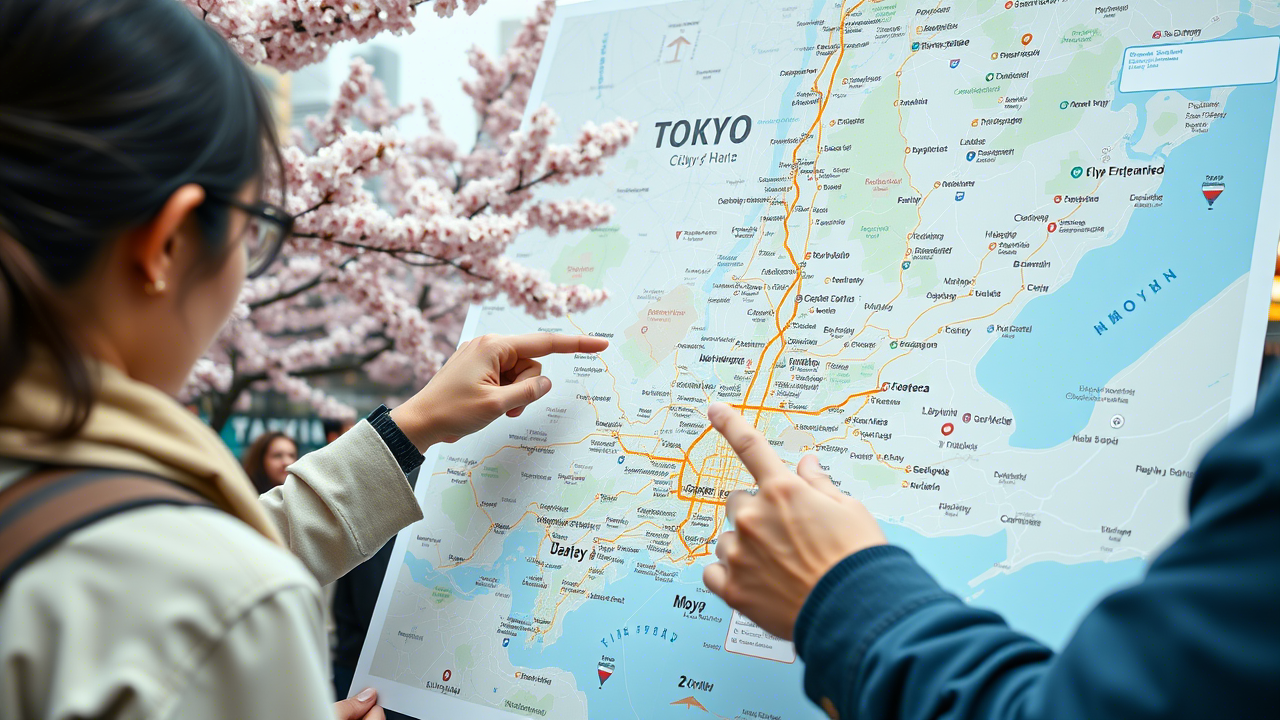
The Tokyo district map represents more than the neighborhood or zip code. It shows a complex mix of urban planning, historical development and legal structure that sets Tokyo separated from other major cities around the world.Unlike the specific cities divided into Boro or suburbs, Tokyo is officially known as Tokyo Metropolis (Toku-TWO) and acts as a province. However, this standard does not correspond to the Japanese urban model. Instead, it consists of many different types of districts, each with its characteristics and governing bodies.
Breaking Down the Tokyo District Map
1. 23 Special Ward (KU) – Urban Corps of Tokyo
23 Special departments are located in Tokyo’s heart, often called “city” in English. These include the famous areas as:Shinjuku,Shibuya,Chioda,Minato,Tosima,
While doing the same function as cities, they are legally classified as branches (cushions), forming together the central urban area of Tokyo. Each department has its own elected mayor and assembly, which provides services such as education, welfare and public security – as a municipal council.These are 23 special departments where most visitors spend their time, thanks to well -known sites such as Shibuya Crossing, Akihabara Electric Town and Ginza Shopping District.
2. TAM -AREA – Extension of suburban
In addition to the 23 departments, there is a tame region, including 26 cities, including Hachiogi, Tachchwa and Hindo. The region extends to the West and incorporates both densely populated suburban areas and rural landscapes.The Tama region has more than 25% of Tokyo’s Landmass and is home to around 40 million people. Despite being part of Tokyo, many residents here identify more closely with their individual cities than in Tokyo.
This part of the Tokyo district map is important for those interested in properties, commuting patterns and lifestyle diversity. For example, a person can live in the city of Musashino, but works in Shinzuku, using a wide railway network to travel between the two regions.
3. Island – Remote Region of Tokyo
One of the most amazing aspects of the Tokyo district map is that Tokyo also controls many remote island areas, including:Izu Islands (eg Izu Kōshima, Hachijo-Jima)
Ogaswara Islands (also known as Bonin Island)
These islands are spread to hundreds of miles south of the mainland and are considered part of Tokyo, even though they are not associated with trains or roads. Some are inhabited, while others are protected.The inclusion of these islands on the Tokyo district map highlights the huge regional access and environmental responsibilities of Tokyo. They offer unique tourist opportunities from the increase of volcanoes to UNESCO’s World Heritage Sites.
Why Tokyo District Map means something
Understanding the Tokyo district map, it is necessary for everyone to live, live or shop in the city. Here’s the reason:Travel schedule
When you know which department or city you are going to, you can make your journey even. For example, living in Shinjuku Ward easy access to the city of Tokyo, while Hachiji will require long -term movement to choose a hotel.Property decision
Whether you are renting an apartment or investing in properties, the Tokyo district helps determine the map cost, convenience and lifestyle. Areas such as Minato and Shibuya command premium prices, while Tama offers more financial alternatives.Cultural insight
Each district has its own identity. The discovery of the Tokyo district map reveals cultural hotspots such as Askusa (traditional temple), Nerima (anime story) and Meguro (Cherry Blossom).public services
Because each church and cities are run independently and understand local courts, it means something for things like residential registration, schools and health care.
How to Read the Tokyo District Map
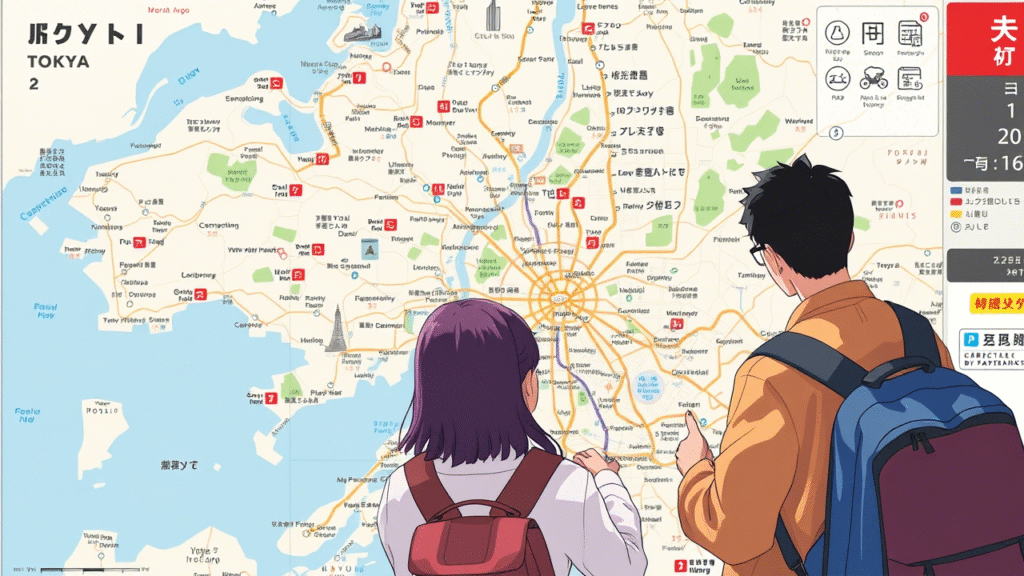
It can be difficult to read a Tokyo district map, especially since the boundaries are not always comfortable. Here are some tips:Use color -coded maps
Many online maps use color coding to distinguish between 23 special departments, Tama towns and islands. Look for interactive versions that allow zooming and filtration.Combine with transit map,Since the Tokyo transport system spreads all districts, the Tokyo district helps combine maps with a metro or train map and how different areas are added.
Download offline maps,Apps such as Google Maps and the official tools of the Japan National Tourism Organization offer downloadable maps showing districts, stations and tourist destinations.Popular equipment to navigate in Tokyo District Map
Here are some recommended platforms to detect Tokyo districts:Google maps
Accurate location data,road view,transit instructions
Japan National Tourism Organization (JNTO)
Official tourism information,district guide,multilingual support
Ward and City sites
Local programs, emergency information and community updates
Interactive GIS map
Advanced mapping with teams for population, transport and environment
Using these devices ensures that you have never lost navigating Shibuya’s Neon-Jalaya roads or planning a weekend to Hakon in the Kanagawa province.
Chida Ward – Political and Historical Node
Chioda has Imperial Palace, Diet Building and several museums.It is quiet and more formal, which is suitable for diplomats,academics and families.Minato Ward – Luxury Stay
Minato is one of the richest districts in Tokyo, including luxury apartments,embassy and upscale serving.If you are looking for reputation, it’s a place.Asakusa Ward – Traditional Tokyo
With sensory.Temple and traditional Ryokan Sarai, Askusa, offers a twinkle in ancient Tokyo.It is a top choice for tourists and history enthusiasts.Each of these districts plays a unique role in shaping the Tokyo district map, which contributes to the city’s versatile character.
Challenges with Tokyo District Map
Despite its sophistication, the Tokyo district map presents some challenges:
Complication in governance
Because each department and city have its own administration, it can be difficult to coordinate coordination policy in Tokyo. Questions such as environmental policy, disaster preparation and economic development should be managed at many levels.
Confusion for new people
For the first time,visitors and emigrants can fight to understand why some areas are separated or why services vary from one district to another.Inequality between urban and rural
While 23 special departments and Tama cities enjoy modern infrastructure, remote islands have logical obstacles including limited access and transport and transport.
Conclusions:Tokyo District Map is mastered
The Tokyo district map is greater than a geographical representation – it is a reflection of the complexity, flexibility and uniqueness of Tokyo.Each part of Tokyo, from the huge horizon to Shinjuku to the quiet beaches on the island of Ogaswara, says a story.23 Special departments, by understanding the differences between Tama towns and removing islands, you get a deep praise for how to act as both Tokyo City and Province. Whether you are a passenger, resident, student or investor, mastery of the Tokyo district map opens up new opportunities and insights.
So the next time you see a map of Tokyo, remember – you don’t just look at the roads and buildings. You see a living, breathing metropolis of centuries of history, innovation and culture.